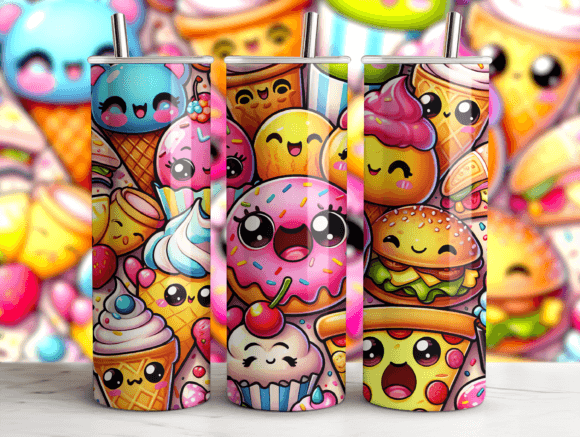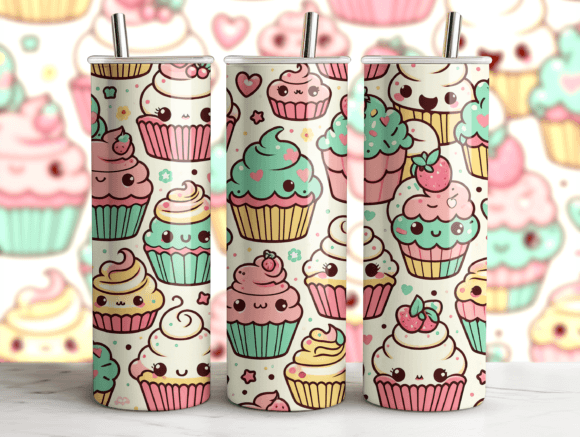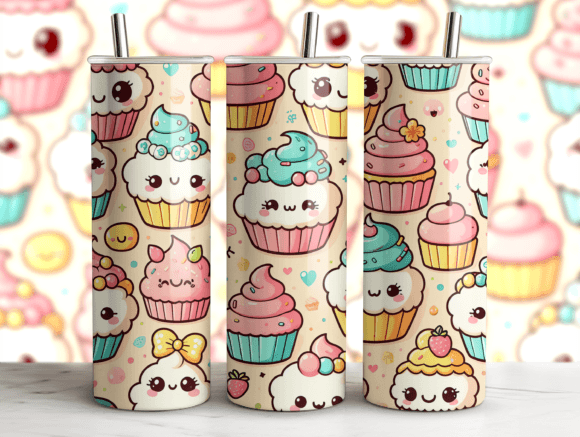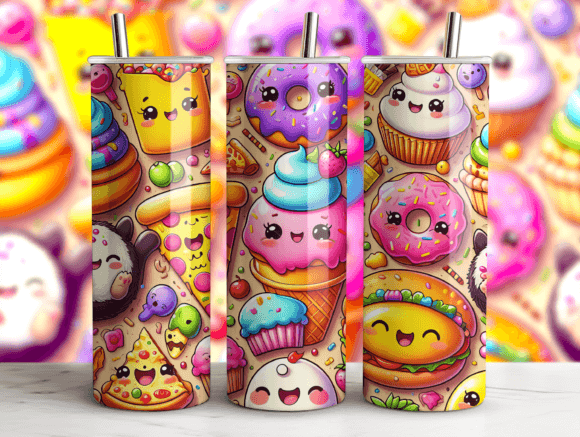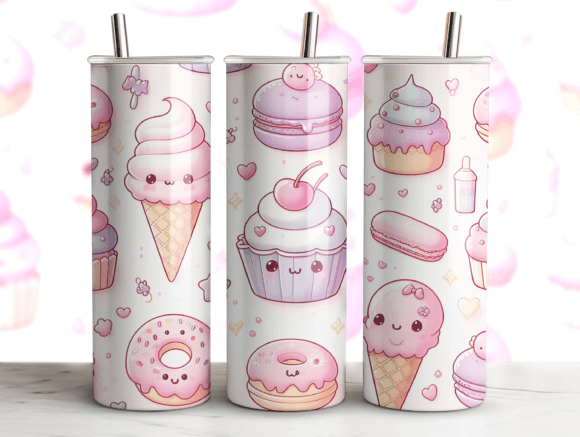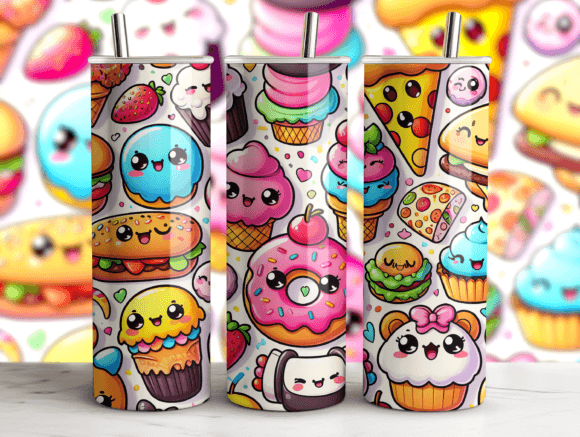
Cute Kawaii Food Pattern Tumbler Wrap
First Impressions: A Playful and Approachable Design
The Cute Kawaii Food Pattern Tumbler Wrap immediately feels like a cheerful, whimsical design. With its vibrant colors and rounded shapes, it evokes a sense of fun and light-heartedness. The layout is clean and uncluttered, making it easy to focus on the main elements—food-themed icons that are both recognizable and stylized. This makes it a great fit for those looking to add a touch of personality to their embroidery projects without overwhelming the viewer.
Design Fit: What Projects Does It Belong To?
This design is ideal for a variety of small-scale and personal projects. It would work well as a custom apparel piece, such as a sweatshirt or t-shirt, where the playful nature can shine through. It’s also a strong contender for baby embroidery, adding a cute and colorful element to onesies or bibs. For those in the craft business, it could be used on toiletries like tea towels or kitchen linens, giving them a whimsical twist.
Additionally, it’s perfect for holiday embroidery or wedding gifts that require a festive yet subtle design. The food theme is versatile enough to work with seasonal motifs, such as cupcakes for birthdays or cookies for holidays. It could even be adapted for nursery decor or personalized gifts that appeal to younger audiences.
Real-Life Performance: How It Stitches Up
When considering how this design performs in real-life embroidery situations, a few factors stand out. First, the stitch density appears reasonable for most machine embroidery designs, which means it should stitch cleanly without excessive bulk. However, because it's AI-generated, there may be some minor inconsistencies in the outlines or spacing, especially around intricate details like tiny lettering or decorative accents.
It’s important to test the design on scrap fabric before committing to a final product. This will help identify any potential issues with thread color contrast or stabilizer requirements. The design’s use of bright colors suggests that high-contrast thread choices might be necessary to ensure visibility on lighter fabrics.
Considerations for Specific Uses
There are certain scenarios where this design may require extra attention. For instance, using it on dark fabric could reduce its visual impact, so it’s worth testing it in black and white mockups to assess clarity. Similarly, textured fabrics or stretchy materials might cause the design to shift slightly during stitching, so proper hoop size and stabilizer selection are crucial.
If you're planning to use this design on curved surfaces like caps or hats, be mindful of how the design flows across the curve. Some areas may appear stretched or distorted, which could affect the overall appearance. For layered garments, ensure that the design is compatible with multi-layered stitching techniques to avoid overlapping or misalignment.
Impact on Visual Appeal and Product Value
The Cute Kawaii Food Pattern Tumbler Wrap has the potential to elevate the visual appeal of any project it’s applied to. Its playful aesthetic can make everyday items feel more special and personalized. This is especially valuable for handmade products or personalized gifts that rely on unique design elements to stand out in a competitive market.
However, the success of the design also depends on how well it integrates with the rest of the product. For example, if it’s used on a commercial embroidery project, it should complement other design elements rather than compete with them. Ensuring brand consistency is key when using this design for small shop products or Etsy listings.
Practical Designer Notes for Success
As an experienced designer, I recommend taking a few steps before using this design in your projects. Start by checking the file format and stitch density to ensure compatibility with your machine. Test the design on scrap fabric to assess stitch quality and thread visibility.
Also, consider the fabric texture and hoop size you’ll be using. If you’re planning to sell finished products, confirm the licensing terms to ensure you’re allowed to use the design commercially. Always use appropriate stabilizer to prevent puckering and maintain design integrity.
Finally, think about how the design will look in different contexts. Will it work well as a printable mockup? Is it suitable for both personal and commercial projects? Taking these questions into account can help you make informed decisions and avoid costly mistakes.