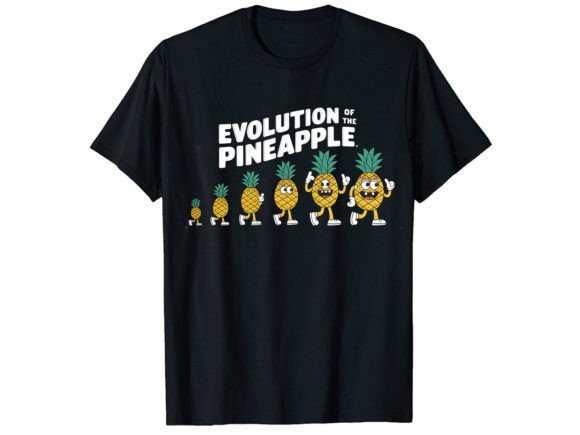
Evolution of the Pineapple
A Designer’s First Impression
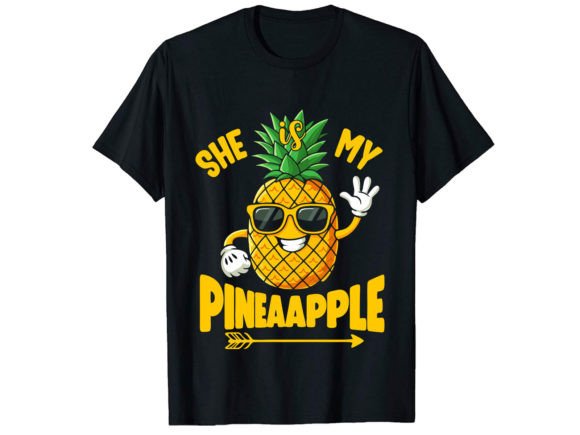
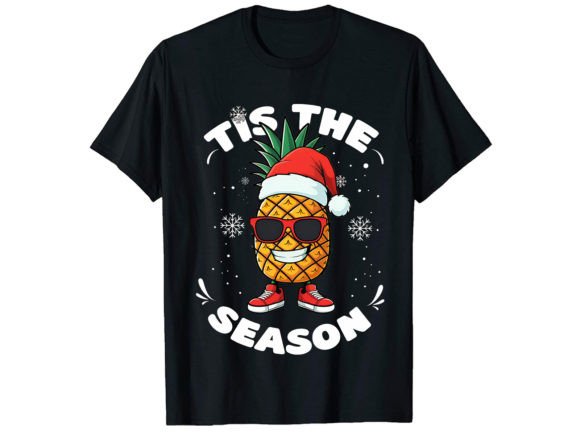
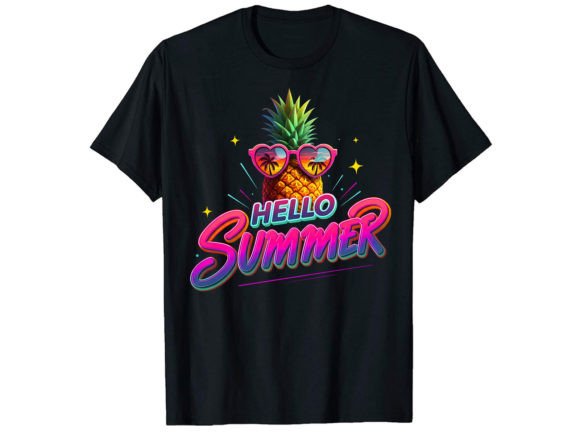
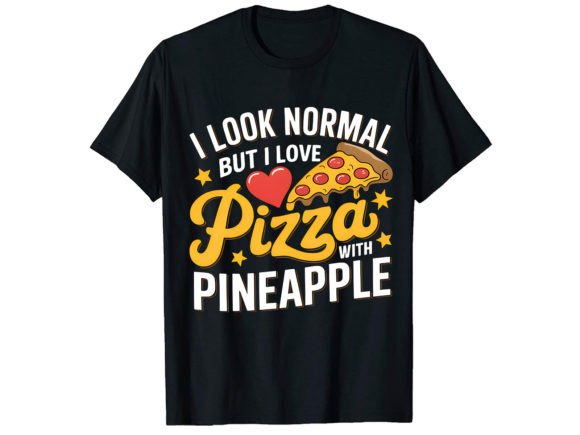
The first time I saw Evolution of the PineappleT-Shirt, I was struck by its simplicity and charm. It feels like a classic motif given a fresh, modern twist. The pineapple is rendered with clean lines and subtle shading that gives it depth without overwhelming the design. There’s a sense of warmth and nostalgia, which makes it immediately relatable. This kind of design has a strong visual personality—friendly, approachable, and slightly whimsical.
The layout is balanced, with the pineapple centered and surrounded by negative space that allows it to breathe. It doesn’t feel cluttered, which is a big plus for embroidery work where clarity is key. The detail level is just right—enough to show texture and form but not so much that it becomes complex or hard to stitch.
Where Does It Fit Best?
Evolution of the PineappleT-Shirt is versatile enough to work on a variety of products, but it shines best on items that benefit from a playful yet elegant aesthetic. Think custom t-shirts, tote bags, and even baby clothes. Its soft, rounded shape makes it ideal for curved surfaces like caps or aprons, where other designs might struggle to maintain their integrity.
I imagine using this design on a custom embroidered tote bag for a small shop or an Etsy listing. It would add a touch of personality without being too loud. On a baby onesie, it could serve as a gentle, lighthearted decoration that parents would appreciate. For holiday gifts, it could be paired with a simple message or name, making it both personal and meaningful.
Real-Life Embroidery Performance
When considering real-life embroidery applications, I think about how the design will hold up under different conditions. Evolution of the PineappleT-Shirt is well-suited for most standard embroidery machines, but there are a few factors to consider before jumping in.
First, the file format is provided as a PNG at 4500×5400 pixels, which is high resolution and suitable for print-ready use. However, when converting it into an embroidery file, the actual stitch count and density may vary depending on the software used. As a designer, I recommend testing the design on scrap fabric first to ensure it looks as expected.
Another consideration is the hoop size. While the design isn’t overly large, it does have some intricate details that might require a larger hoop for optimal stitching. If you're working with smaller hoops, you might need to adjust the design or split it into sections to avoid distortion.
Stabilizer choice is also important. Because the design has smooth, rounded edges, a tear-away stabilizer should work well, especially on light or thin fabrics. However, if you’re working with stretchy materials like cotton blends, a water-soluble stabilizer might be more appropriate to prevent puckering.
Design Considerations for Different Fabrics
While Evolution of the PineappleT-Shirt is adaptable, there are certain fabric types where it might perform better than others. Dark-colored fabrics can make the design stand out nicely, especially if you use contrasting thread colors. Light-colored fabrics, on the other hand, might require a bit more attention to detail to ensure the design remains visible after washing.
Textured fabrics like denim or canvas can add an interesting dimension to the design, but they might also affect stitch density. If the fabric is too rough, the embroidery might appear uneven or lose some of its crispness. In such cases, using a finer thread and adjusting stitch settings could help maintain clarity.
For delicate or stretchy fabrics, such as silk or jersey knit, it’s essential to test the design thoroughly. The pineapple’s rounded shape is forgiving, but intricate corners or tiny lettering (if included) could become distorted. Always check the design in black and white mockups to see how it holds up in different lighting conditions.
Practical Designer Notes
As an experienced designer, I always recommend checking the following before using any digital embroidery file:
- Test on scrap fabric: No matter how promising a design looks on screen, it’s always wise to test it on a piece of scrap fabric first.
- Check thread color contrast: Ensure that the chosen thread colors provide good visibility against the background fabric.
- Review stitch density: Too dense or too sparse stitching can affect the overall look and durability of the finished product.
- Confirm hoop size: Make sure your machine can accommodate the design without distortion.
- Inspect small details: Look closely for any potential issues with tiny lettering or intricate corners.
- Use proper stabilizer: Choose the right type of stabilizer based on the fabric you’re working with.
- Compare light and dark backgrounds: Test the design on different fabric tones to ensure consistency.
- Check licensing terms: If you plan to sell finished items or digital products, confirm the licensing rights before proceeding.
Evolution of the PineappleT-Shirt is a great asset for craft businesses, Etsy sellers, and small shop owners looking to offer unique, handmade products. It’s also a solid choice for personalized gifts, custom apparel, and boutique branding. With careful planning and attention to detail, it can elevate your embroidery projects and create something truly special.