Valentine Highland Cow Tumbler Wrap 35
A First Look at the Design
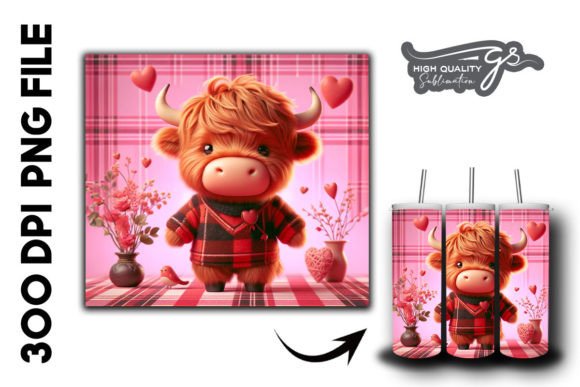
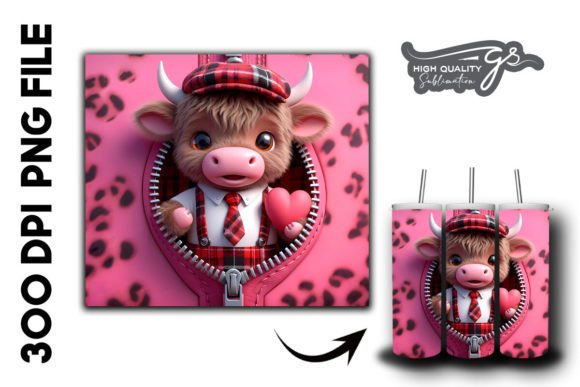
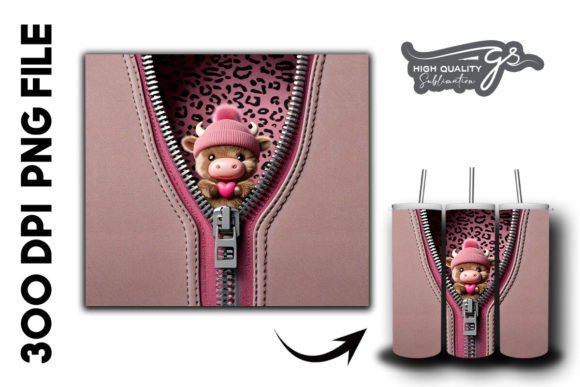
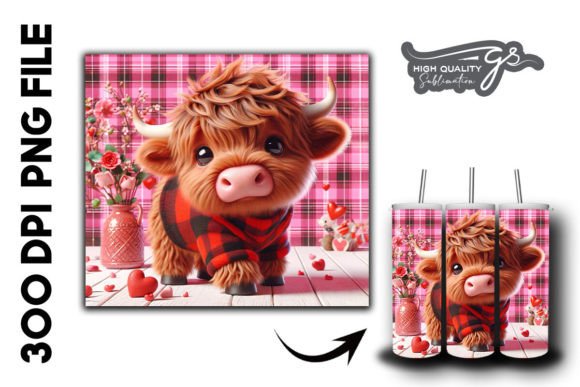
The moment I opened the file for Valentine Highland Cow Tumbler Wrap 35, I was struck by its charming and whimsical aesthetic. The design features a stylized highland cow in a romantic, heart-shaped setting—perfectly suited for a Valentine’s Day theme. The layout is clean and balanced, with the cow positioned prominently at the center, surrounded by soft, flowing elements that evoke warmth and affection.
What stands out immediately is the level of detail in the cow’s facial expression and body contours. The eyes are expressive, the horns are gently curved, and the overall shape feels both playful and approachable. This kind of design is ideal for those who want to add a touch of personality without overwhelming the viewer. It’s not overly intricate, but it still manages to convey character and emotion through subtle shading and texture.
Real-Life Use Cases
When considering how this design might be used in real projects, I thought about several common embroidery applications. For instance, using it on a custom sweatshirt or tote bag would create a fun and eye-catching piece. The cow’s presence adds a unique flair that could work well in a boutique or craft shop, especially during the holiday season.
I also considered how it might look on a baby item like a onesie or bib. The design is large enough to be visible but not so big that it overwhelms the small surface. It would make an excellent personalized gift for a new parent looking for something meaningful and memorable.
Another scenario I imagined was using the design on an embroidered patch. The simplicity of the layout makes it versatile, and the highland cow has a timeless appeal that could easily transition from one project to another. Whether it’s a cap, apron, or even a tea towel, the design holds up well across different materials and sizes.
Performance in Real Embroidery Situations
Testing the design on scrap fabric revealed some important considerations. The stitch density is moderate, which means it should handle most standard embroidery machines without causing excessive tension or thread breakage. However, there are areas where the design becomes denser, particularly around the cow’s face and the surrounding floral accents.
One thing to watch for is the use of satin stitch and fill stitch in these detailed sections. These stitches require careful handling, especially on thinner or stretchy fabrics. A good stabilizer is essential here to prevent puckering and ensure smooth stitching. If you're working with dark fabrics, consider testing the design in black and white mockups to see how it looks before committing to the final color scheme.
For small hoop sizes, the design may need to be scaled down or adjusted to fit properly. While the original file appears to be designed for a standard hoop, it’s always a good idea to confirm the exact dimensions and compatibility before starting a project. This is especially important when working with commercial embroidery setups, where consistency and scalability are key.
Design Considerations for Different Projects
The Valentine Highland Cow Tumbler Wrap 35 is a great choice for handmade products, especially those intended for personal use or small-scale sales. Its charm and simplicity make it appealing to both hobbyists and professional designers alike. However, it’s worth noting that the design may not be suitable for all types of fabric textures. Textured surfaces like denim or canvas can enhance the visual appeal, while thin or delicate fabrics may require additional support during stitching.
When it comes to branding or product development, this design could serve as a strong visual identity for a craft business or Etsy store. It’s versatile enough to be used across multiple product lines, from apparel to home decor. Just be mindful of the context in which it’s placed. For example, a highland cow on a holiday-themed pillow cover would feel more appropriate than on a formal wedding gift.
Practical Designer Notes
As an experienced designer, I recommend taking a few steps before using this file in a finished project. First, test the design on scrap fabric to assess stitch clarity and performance. Next, review the thread colors to ensure they provide sufficient contrast against the intended fabric background. This is especially important when working with dark or light-colored materials.
Also, consider how the design will look in different lighting conditions. A mockup or printed preview can help you visualize how the final product will appear in real life. Don’t forget to check the stitch density and hoop size requirements, as these factors can significantly impact the outcome of your embroidery project.
If you plan to sell the finished product or digital files, be sure to verify the licensing terms. Some designs come with restrictions on commercial use, so it’s always better to double-check before proceeding. Lastly, using the right stabilizer and proper sewing techniques will go a long way in ensuring a professional finish and customer satisfaction.